Every audience you have built on LinkedIn, X, Instagram or TikTok has one thing in common: you do not own it. You cannot export it, you cannot message all of it, and the platform can throttle, suspend or delete your access to it without appeal. For a personal brand that intends to outlast any single platform, this is the first fact to internalize: if you cannot take it with you, it is not an asset — it is a rental.
The asset map
| Asset | Owned or rented | What can take it away |
|---|---|---|
| Email list | Owned | Almost nothing — you can export it |
| Your website and archive | Owned | Only your own lapse in payment |
| Published books, reports, talks | Owned | Nothing |
| Media relationships | Owned (human) | Neglect |
| Social following | Rented | Algorithm change, suspension, platform death |
| Group or community on a platform | Rented | Moderation policy change |
Rented audiences are not worthless. They are where discovery happens — strangers find you there. The mistake is treating the rental as the destination rather than the front door.
Why the rental keeps getting more expensive
Platforms are businesses, and organic reach to your own followers is a discount they gradually withdraw. Each major algorithm era has moved reach from "everyone who followed you" toward "whoever the system thinks should see this." Creators who built six-figure followings on one platform have watched those followings convert to a fraction of the engagement after a single policy shift. When the platform changes the terms, you get no vote and no export.
There is also concentration risk: one account, one login, one moderation algorithm between you and silence. Careers have been interrupted by a mistaken suspension that took months to reverse — if it was reversed at all.
The migration system
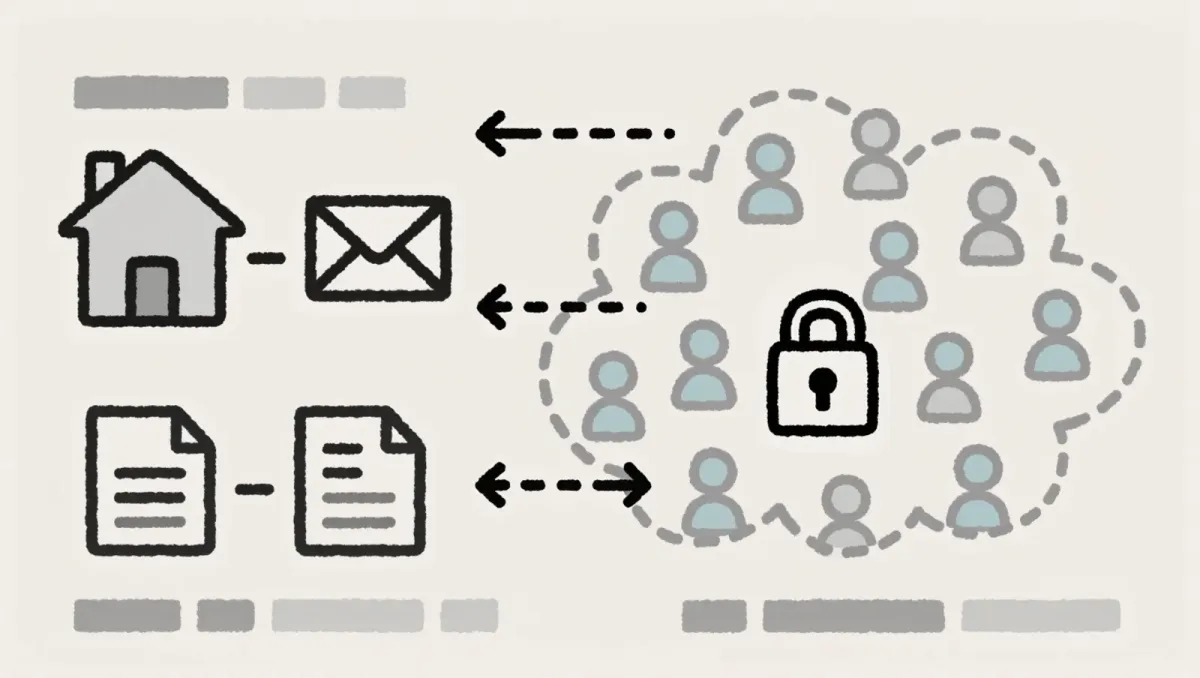
Owned media does not mean abandoning platforms. It means installing a one-way valve so attention flows toward property.
- Build one destination worth arriving at. A personal site with an archive of your thinking, or a focused newsletter. It does not need to be elaborate; it needs to be yours and importable.
- Earn the subscription, do not beg for it. Give the rented audience a concrete reason: a downloadable framework, a monthly teardown, early access to research. "Subscribe for updates" converts nobody; "get the checklist I use" converts.
- Make the ask regular but light. A link in your profile, a mention once every few posts. The audience that follows you off-platform is small but decisive — typically low single-digit percentages — and it compounds.
- Own the relationship cadence. Email your list on a schedule you control. An emailed list of five hundred true peers is worth more commercially than fifty thousand passive followers, because it is deliverable, exportable and measurable.
Three patterns worth learning from
Across the industry, the failure mode looks the same. The consultant who spent five years on a single platform, declined every invitation to start a newsletter because the algorithm already delivers clients, and then spent a demoralizing quarter rebuilding after a suspension and a reach collapse. The operator whose account survived, but whose distribution quietly fell by an order of magnitude after an algorithm change — no ban, no appeal, just a business evaporating in slow motion. And the opposite case: the specialist who kept a modest following but sent one substantive email a month for years, and now sells out advisory capacity from the list alone, because five hundred reachable peers are the entire market for what she does.
The pattern to notice: none of the failures were caused by bad content. They were caused by building the house on rented land.
What ownership changes commercially
Owned audiences change your negotiation position. When a client, publisher or event evaluates you, an email list with open rates and a site with years of dated work is verifiable proof of influence. A follower count is a screenshot. More practically: launches, courses, advisory offers and book proposals all monetize dramatically better through owned channels, because you reach people directly at zero marginal cost — no algorithm sitting between your offer and the person who asked to hear from you.
Ownership also protects the downside. Contracts end, platforms pivot, referrals dry up in recessions. The list and the archive are the parts of your brand that keep working while you are busy delivering work — and the part a buyer or partner can verify without taking your word for a screenshot.
Common objections
"Newsletters are saturated." Generic ones are. A specialist letter for a narrow profession still has no real competition, because the bar is knowing one audience deeply.
"My clients are all on LinkedIn anyway." They are — which is exactly why your presence there is commoditized. The differentiator is the peer who owns the direct line.
"I have no time." The migration system above costs roughly two hours a week once running. The alternative is rebuilding from zero on whatever platform succeeds the current one — an event the last decade suggests arrives every few years.
Your first step this week
Check what you could actually salvage tomorrow: can you export a list of people who want to hear from you? If the answer is nothing, set up a one-page site with a single reason to subscribe, add it to every profile you have, and mention it once this week in a post. That is the entire first brick of owned media — and from there it only compounds.