Press Release vs Media Pitch: Which Tool When
A press release broadcasts one official statement to a wide list; a pitch argues one angle to one journalist. Here is when each tool earns its cost.

A press release broadcasts one official statement to a wide list; a pitch argues one angle to one journalist. Here is when each tool earns its cost.
A do-it-yourself diagnostic that shows the gap between how you want to be found and what search engines and feeds actually say about you.
Creator partnerships have become standard media buying. Goldman Sachs Research sized the market at $250 billion in 2023, projected $480 billion by 2027, and brand deals already supply roughly 70% of creator income.
The search box, the headline, and the last three years of your work. Everything else is decoration.

What a backlink is, why search engines treat them as votes, and why one good link outworks a hundred cheap ones.

What a link-audit tool actually has to do, what the free versions give you, and when a paid subscription earns its keep.

The clickable words matter less than the pattern they form across your whole link profile.
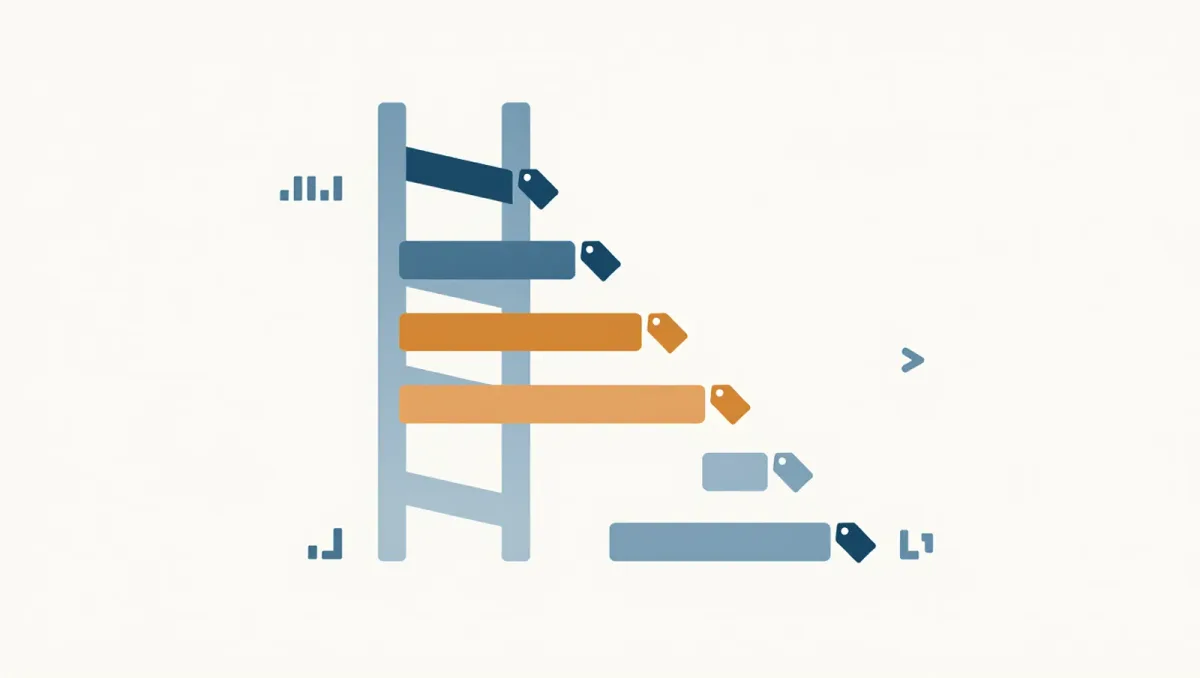
Earned, disclosed sponsored, gray guest post, network inventory — the money trail at every rung, the price anomalies that expose rung-crossing, and the survival math that prices them honestly.

The headline field is the most-read sentence on your profile. Most people waste it on a job title.

Positioning comes before posting. A worksheet for finding the angle your brand is actually about.

Most pitches fail for the same few reasons. Here is what separates email a reporter opens from email they filter out.
88% of journalists immediately disregard pitches that miss their beat, according to Muck Rack's 2026 State of Journalism survey. The releases that survive match one reporter's beat, lead with the news, and arrive as a short individual email before noon.

Riding a breaking story works when you bring something journalists need, fast — and fails when you bring a sales pitch.

The questions never asked, the approvals negotiated before the recorder starts, and why the finished profile reads so smooth.
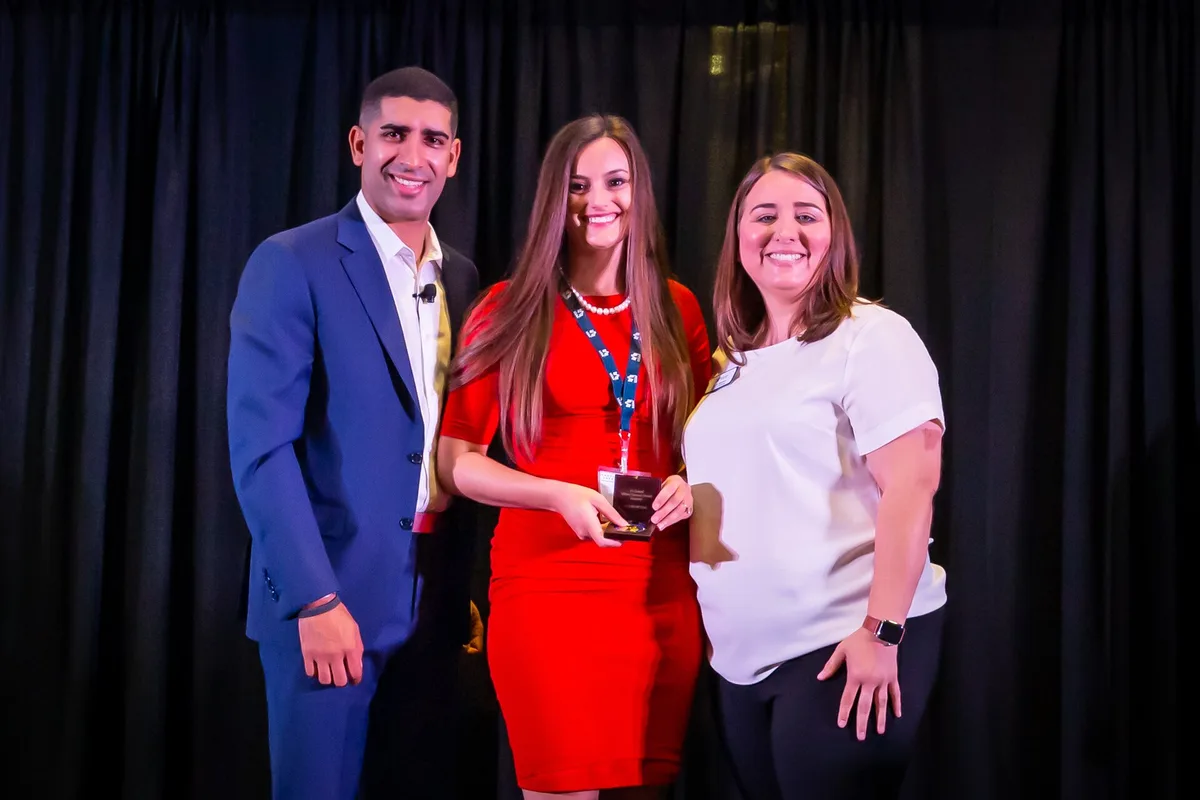
A buyer's framework for judging any conference on speaker quality, networking density, and what each useful contact actually cost you.

A ten-minute routine that keeps you current without drowning your morning in tabs.

A scoring method for curation, originality and noise — before you hand over your email.