Can you tell a real reporter from a fabricated one before you hit send? Not from the checkmark. On X, a blue badge now just means someone pays for X Premium, not that the account belongs to a working journalist, according to Newsreel. Verifying a journalist means confirming two separate things: that the person is real, and that their published work is real. Neither takes more than a few minutes if you know where to look.
The stakes are higher than wasted outreach. Generative tools can now produce a convincing article, a fake headshot, and a posting history to match, according to Newsreel. A pitch sent to a fabricated reporter isn't just wasted effort. It can mean handing embargoed information, a data set, or an executive's contact details to someone with no accountability at all. This connects to our earlier piece, 82% of Journalists Now Use AI — Muck Rack's State of Journalism 2026 Maps the Newsroom.
Why doesn't a verified badge settle it anymore?
A platform badge confirms a subscription or an account setting, not a job. Gold checkmarks on X mark organizations, not individual credibility, according to Newsreel. That distinction matters for anyone doing outreach, because a badge was never designed to answer the question a PR person actually has: is this a working reporter with an editor and a beat, or an account with a profile photo?
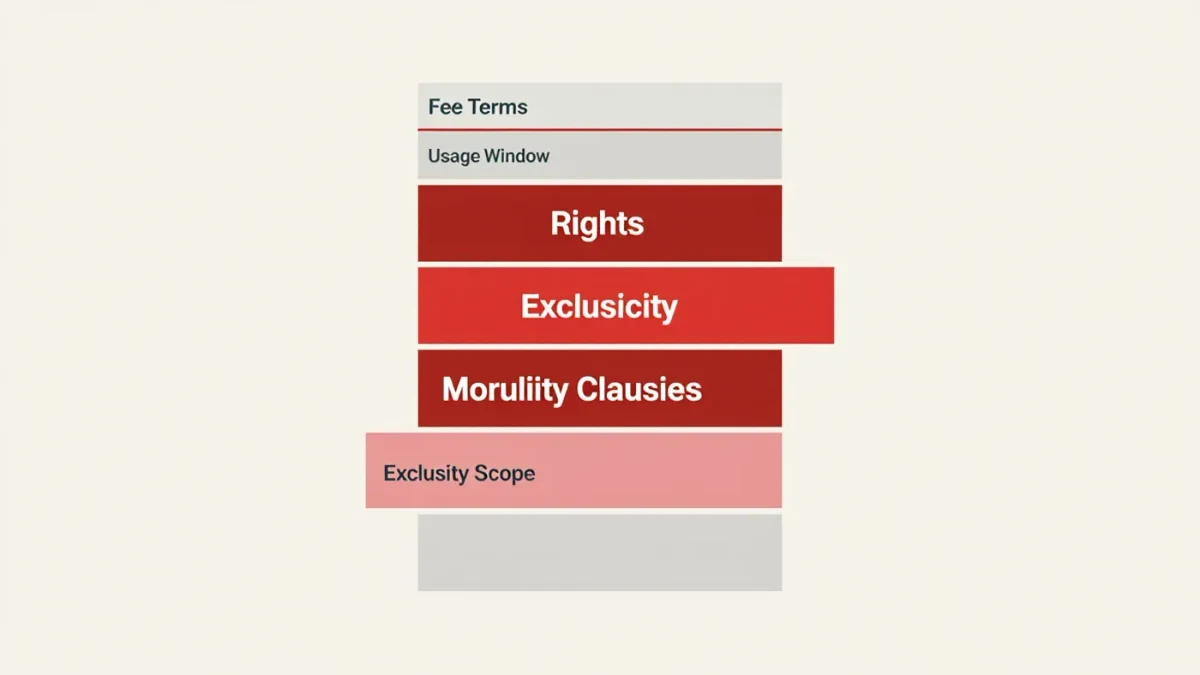
The useful kind of verification lives elsewhere. It's built from a byline record, a press credential, a database profile, and sometimes platform-level vetting, according to Newsreel. Each signal answers a slightly different question, and none of them is sufficient alone. Treat them as a checklist, not a single test.
What should you check before sending a pitch?
Start with the byline, not the inbox. A real reporter has a linkable, dated archive of published work under a consistent name. If a search turns up one article from three years ago and nothing since, that's a gap worth asking about before you share anything. Readers following this should also see AI Adoption in PR Has Leveled Off — Muck Rack's 2026 Report Shows the Real Divide Is Now Training.
Cross-reference the outlet directly. Go to the publication's own site, find the staff or contributors page, and confirm the name and title match what's in your inbox. Don't rely on a screenshot or a signature block; those can be copied from someone else's real byline.
Check a media database. A profile on a vetted database that requires editorial review before a journalist is marked verified is a stronger signal than a self-reported bio, because someone else has already checked the claim, according to Newsreel. Look for recent bylines tied to outlets the database already tracks, not just a name and a headshot.
Look for a press credential where relevant. Credentialing bodies generally ask for proof of recent published work before issuing a pass, according to Newsreel. A credential isn't a universal all-access pass, and none guarantees entry anywhere, but the application process itself filters out people with no publishing history.
None of this replaces basic reply verification. If a name and outlet check out, reply to the pitch inbox address rather than the one in the signature, or call the newsroom's published switchboard number and ask for the reporter by name. That single step catches most impersonation attempts that a database search alone would miss.
What are the common spoofing tactics to watch for?
The pattern that shows up most often is a real outlet name paired with a fabricated or borrowed byline. The email domain looks close enough to pass a glance — a hyphen added, a letter swapped, a free-mail address standing in for a corporate one.
Second-hand and third-hand sourcing dressed up as first-hand reporting is another tactic. A pitch reply that cites "sources say" or an unnamed "editor" without naming a specific person is the same red flag fact-checkers are trained to catch, since third-hand information is not something a real reporter would present as confirmed, according to River.
Watch for a beat claim that doesn't match the archive. Someone claiming to cover enterprise software but whose last five bylines are lifestyle roundups is either freelancing across beats or not who they say they are. Either way, it's worth a direct question before you send anything exclusive.
How do you verify images, quotes, and documents a journalist sends back?
Verification doesn't stop once you've confirmed the person. If a reporter sends a document, image, or quote back to you for confirmation, the same scrutiny applies in reverse, and it's worth understanding the standard they're supposed to hold themselves to.
For quotes, the gold standard is a direct interview or a named, identifiable source, not a vague reference to "experts" or "officials," according to Falmouth University. If a follow-up email attributes a claim to an unnamed group, ask who specifically said it.
For images, a reverse image search is a fast first check. If the same photo turns up years earlier attached to a different story, it wasn't taken for the article in front of you, according to Falmouth University. For documents, provenance matters: a file obtained directly from an official source carries more weight than one that arrived as an unverified attachment, according to River.
This matters for PR teams handling sensitive material. If you're about to share an embargoed report or a data set with a reporter whose identity is even slightly uncertain, the corroboration standard cuts both ways: confirm them the way they'd be expected to confirm a claim from you.
What this means for your pitch process
Verifying a journalist isn't a one-time gate before a big story. It's a habit worth building into ordinary outreach, especially as the volume of pitches climbs and inboxes fill with bulk sends. A quick check costs a few minutes; a leaked document sent to the wrong person costs a lot more.
Build a short standing checklist: confirm the byline archive, cross-check the outlet's staff page, look for a database profile with editorial review behind it, and verify contact details independently before sending anything sensitive. None of these steps require special tools, and together they catch the overwhelming majority of fabricated or spoofed contacts.
The broader trend in the PR News category this year has been journalists and PR teams both adapting to a media environment where identity can't be assumed. Practical steps like these are the version of that adaptation that costs nothing and takes minutes.